
When the recipe leaves a question
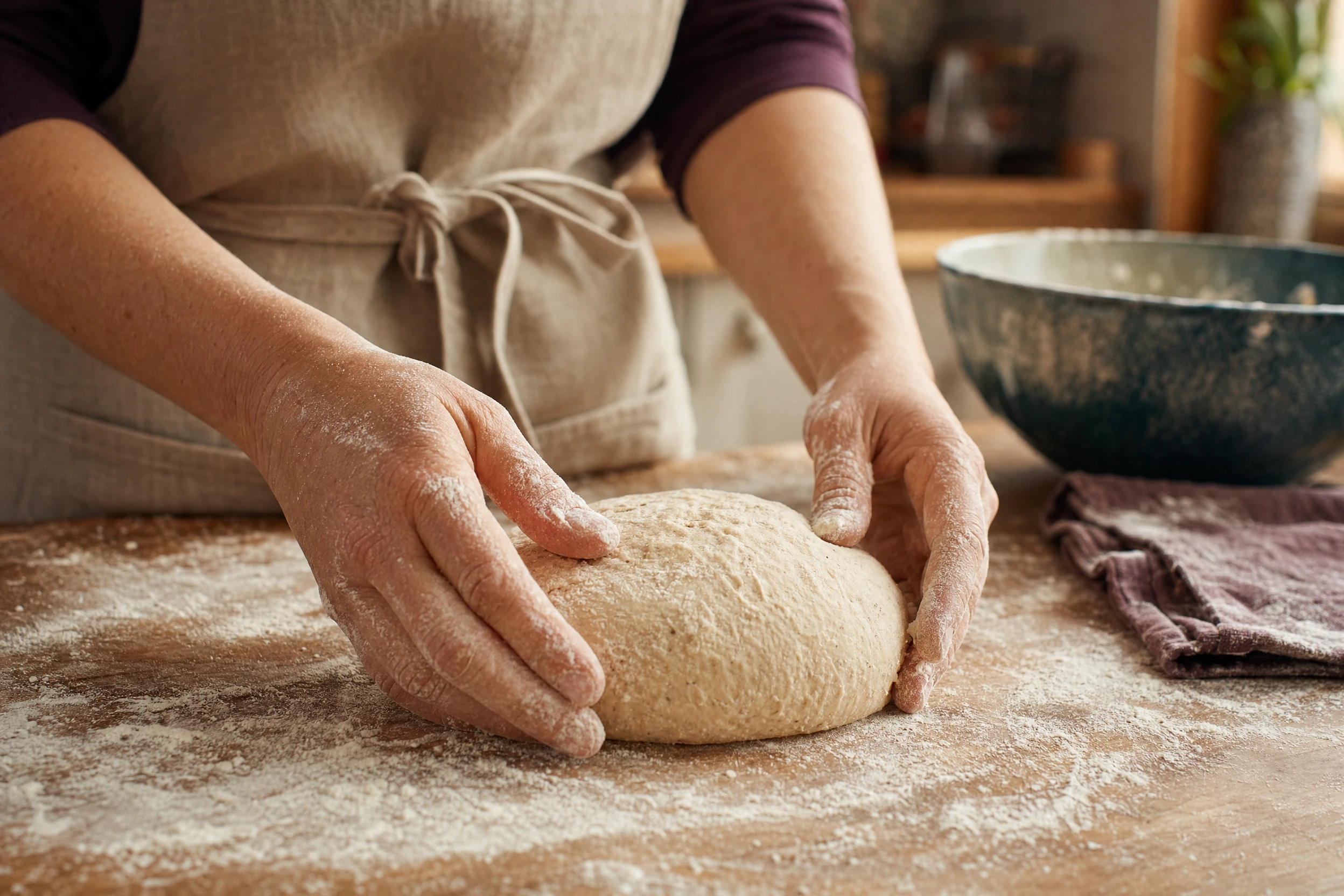
You have measured the ingredients, but the dough does not look quite like the photograph. Should it be sticky? Has it risen enough? Would more flour solve the problem or create another one? These are ordinary home-baking questions, not evidence that you lack a talent for bread.
A practical class is appealing because you can ask while the dough is in front of you. The point is to connect a written instruction with a texture or change you can recognise later.
Explore Bread Making Masterclass Commercial link · opens a new tab
A class and a recipe serve different purposes
A book or video works well when you want an inexpensive way to explore and can repeat the process yourself. An in-person lesson adds the possibility of immediate feedback and comparison. Decide which part you are missing before buying a longer course.
A single workshop may suit a first experiment. A sequence of classes makes more sense if you want to revisit the same ideas through different doughs and can make time for practice between sessions.
Learn what to notice
Go in with a small question: how does the dough feel after mixing, what changes during a fold, or what does shaping try to achieve? It is easier to bring home one useful observation than a long list of instructions you never try again.
Keep a notebook of what you did, what you observed and what you would ask next time. At home, repeat the same recipe before changing several ingredients. That gives you a fairer comparison with your earlier attempt.
A Toronto option to explore
360 Cooking Studio lists beginner bread-making classes at 1982 Bloor Street West in Toronto. Its programme page describes a five-class sequence and two-hour sessions. Listed subjects include sourdough, baguettes, enriched dough, buns and focaccia.
The page also offers individual classes. Review the exact session list, dates, price and booking terms before choosing a bundle. Ask the studio about ingredients and any dietary requirements rather than assuming a bread workshop can accommodate every restriction.
Bring the lesson into your kitchen
Before booking, think about the equipment and oven you will use at home. Ask what the class provides and what, if anything, you need to bring. Leave time afterwards if you will be taking dough or finished bread with you.
Plan a repeat bake soon enough that your notes still make sense. Use the instructor’s recipe and record your own timing. A different kitchen may call for observation rather than blindly following the same clock.
Choose the amount of commitment you want
This is a local Toronto experience for someone who enjoys making things and wants guided practice. It does not need to become a new identity or a weekly obligation. One thoughtful session can be a reasonable way to discover whether the process appeals to you.
A class cannot guarantee consistent loaves. The useful purchase is access to instruction that matches your starting point and leaves you able to practise.
A few practical answers
Common questions
Do I need previous bread-making experience?
The studio lists the course for beginners. Tell the provider what you have tried and ask whether the particular session you want has prerequisites.
Must I book the whole programme?
The provider lists both a multi-class programme and individual classes. Check current availability and the different booking conditions before choosing.
What if I have an allergy or dietary requirement?
Discuss it directly with the studio before paying. Do not assume a wheat-based bread class can be adapted, or that a general facility statement resolves your individual requirements.